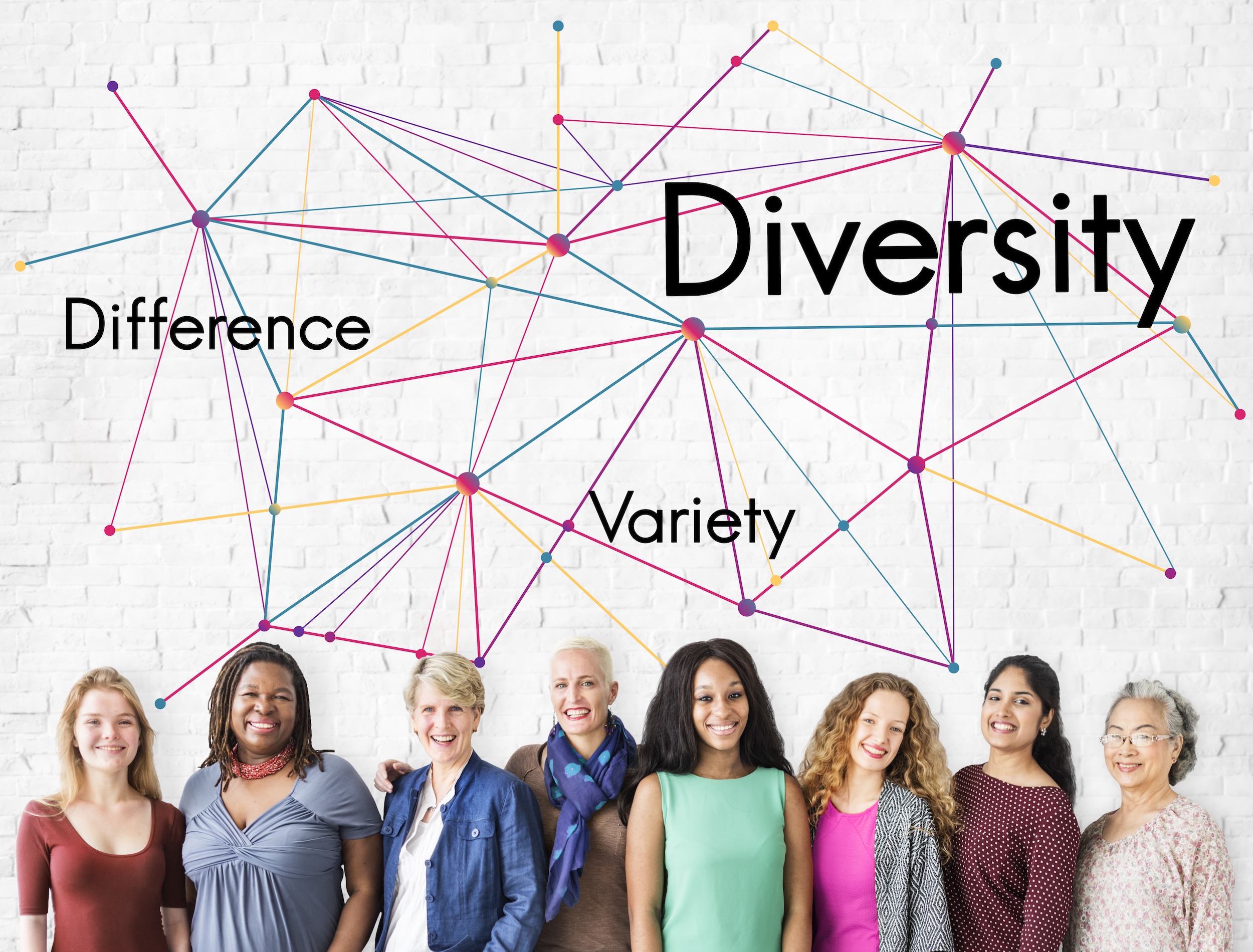
Many organizations today are focused on hiring diverse talent. That’s a good start—but it’s not enough. The real question is: Do employees feel included? Do they feel they belong? Because when people don’t feel included, diversity doesn’t translate into impact.
What Does “Belonging” Really Mean?
Belonging goes beyond being invited to the table—it means your voice is heard, valued, and influences decisions. In practical terms, belonging is when employees:
• Feel psychologically safe to express ideas without fear
• See themselves represented in leadership and decision-making
• Believe their identity is respected—not tolerated
• Are included in both formal and informal opportunities
• Feel empowered to bring their whole selves to work
• Have a sense of community and connection with colleagues
When people feel they belong, they don’t just stay—they thrive, contribute, and advocate for the organization.
Why Belonging Matters in the Workplace
Organizations that intentionally build belonging experience:
• Higher employee engagement and retention
• Increased innovation and collaboration
• Stronger employer branding
• Reduced workplace conflict and disengagement
• Improved customer satisfaction and loyalty
• Better decision-making and problem-solving
In a competitive talent market like Lagos, belonging is no longer a “nice-to-have”—it’s a business advantage.
Building an Inclusive Culture: Practical Strategies
1. Inclusive Leadership
Leaders set the tone. Inclusion must be visible at the top. Practical actions:
• Encourage diverse opinions in meetings
• Avoid favoritism or “inner circles”
• Give equal visibility to team contributions
• Model inclusive behavior and language
• Hold themselves and others accountable for inclusive practices
• Provide opportunities for feedback and growth
2. Inclusive Meetings & Communication
Many employees feel excluded not by policy—but by everyday interactions. To improve:
• Rotate who speaks or presents in meetings
• Avoid interrupting or talking over others
• Be mindful of language, tone, and cultural nuances
• Ensure remote or quieter team members are heard
• Use inclusive language and avoid jargon
• Encourage active listening and create a safe space for questions
3. Fair Opportunities & Access
Inclusion means equal access—not equal treatment. Focus on:
• Transparent promotion criteria
• Equal access to training and high-visibility projects
• Structured performance evaluation processes
• Opportunities for mentorship and sponsorship
• Flexible work arrangements and accommodations
• Addressing biases in hiring and promotion processes
4. Encourage Authenticity at Work
Employees should not feel pressured to “fit in” by hiding who they are. Create space for:
• Different communication styles
• Cultural expression
• Personal identity
• Work-life balance and flexibility
• Employee well-being and mental health
• Celebrating diverse perspectives and ideas
Fostering a Sense of Community
Building a sense of community is key to belonging. Strategies include:
• Team-building activities and social events
• Cross-functional collaboration and projects
• Employee recognition and appreciation programs
• Support networks and buddy systems
• Celebrating milestones and achievements
Many companies stop at inclusion—inviting people in. But the real goal is belonging—ensuring people feel at home. This requires intentional effort, consistent leadership behavior, and a willingness to listen, learn, and adapt.
A truly inclusive workplace is not built overnight. It is built daily—through decisions, behaviors, and culture. When employees feel they belong, they don’t just work for you—they grow with you.