
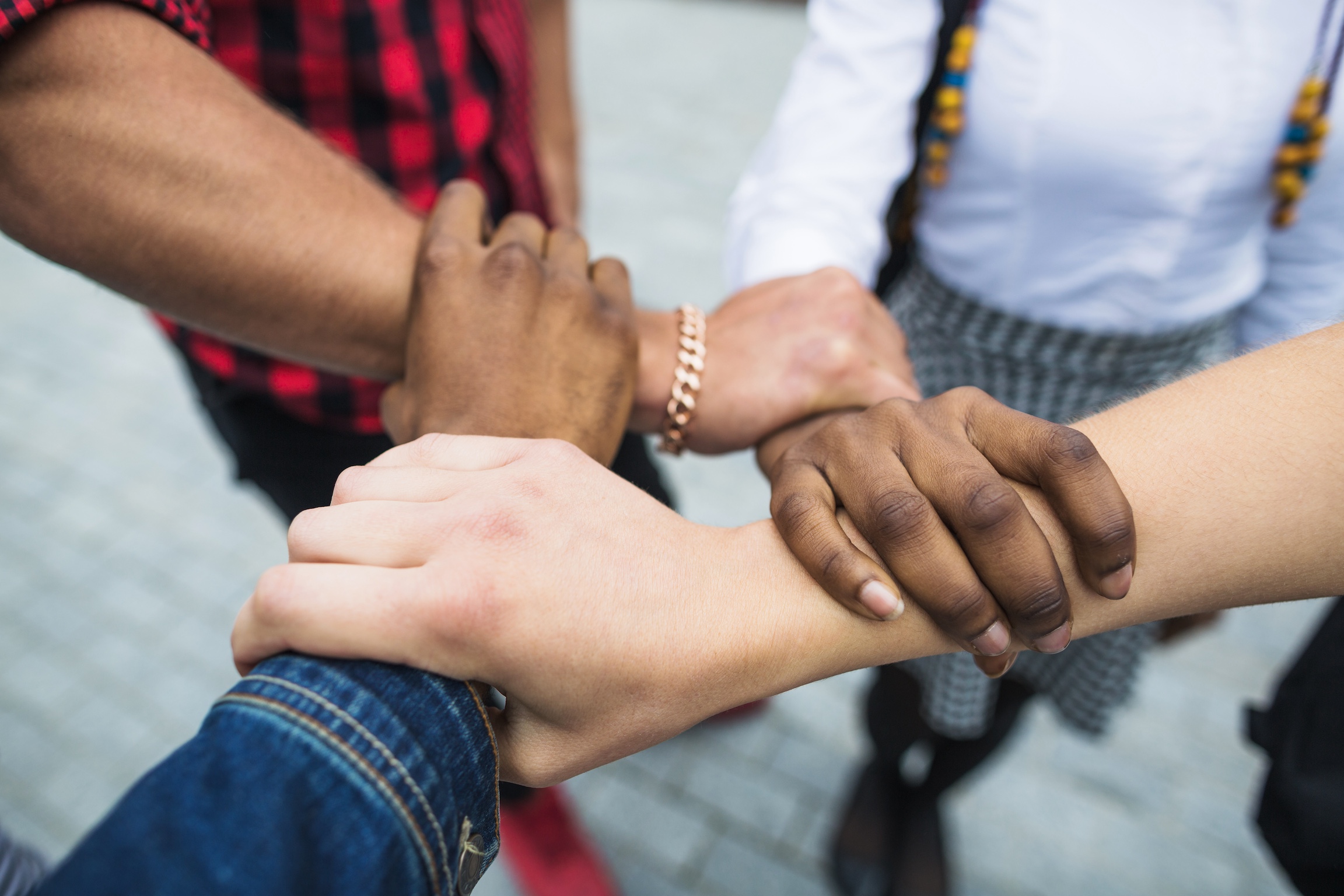
As organizations continue to evolve and grow, creating a workplace culture that values and supports diversity, equity, and inclusion (DEI) has become a key priority. But what exactly does DEI mean, and why is it crucial for business success? In this series, we’ll explore the fundamentals of DEI, its benefits, and practical strategies for implementation.
Understanding DEI: The Foundation 🌟
As we kick off our DEI series, let’s dive into the fundamentals: What’s the difference between diversity, equity, and inclusion? Understanding these concepts is crucial for building a workplace culture where everyone can thrive.
- Diversity: All the ways people differ (e.g., race, gender, age, ability, culture, religion, sexual orientation, socio-economic status). It’s about recognizing and appreciating the unique characteristics, experiences, and perspectives that make each individual who they are. Think of diversity as the “mix” – it’s about having a variety of people with different backgrounds and traits.
- Equity: Ensuring fair access to opportunities, resources, and support. It’s about leveling the playing field so everyone can succeed, acknowledging that people have different starting points and may need different support to achieve equal outcomes.
- Inclusion: Creating a culture where everyone feels valued, respected, supported, and empowered to contribute. It’s about making sure everyone belongs, feels welcome, and can bring their authentic selves to work.
Why does DEI matter in the workplace?
- Boosts innovation and creativity: Diverse perspectives lead to more ideas and solutions.
- Enhances employee engagement and retention: People stay where they feel valued and included.
- Better decision-making: Diverse viewpoints reduce blind spots and lead to better outcomes.
- Supports business growth and reputation: Organizations with strong DEI are often more attractive to customers, talent, and investors.
- Improves employee wellbeing: Inclusive cultures reduce stress and increase job satisfaction.
- Enhances customer understanding: Diverse teams better understand diverse customers.
- Increases adaptability: Diverse organizations adapt faster to changing markets.
Common challenges organizations face:
- Unconscious biases influencing decisions: Hidden biases can affect hiring, promotions, and everyday decisions, often unintentionally excluding certain groups.
- Lack of representation in leadership: When leadership doesn’t reflect the workforce or community, it can signal who’s “valued” in the organization.
- Resistance to change or discomfort discussing DEI: Talking about differences and inequities can be uncomfortable, leading to avoidance rather than addressing issues.
- Gaps in equitable access to opportunities: Some groups might miss out on development programs, mentorship, or promotions due to systemic barriers or bias.
- Insufficient training on DEI topics: Without proper training, efforts can stall or do more harm than good.
- Lack of accountability for DEI outcomes: Without clear goals or accountability, DEI efforts can feel like “optional” or low priority.
- Tokenism rather than genuine inclusion: Treating DEI as a checkbox exercise rather than embedding it in the culture.
- Communication barriers across diverse groups: Different languages, cultural norms, or communication styles can lead to misunderstandings.
Every step towards DEI is a step towards a workplace where everyone can bring their best selves to work. A place where differences are celebrated, voices are heard, and everyone has the opportunity to thrive. So, where will you take the first step?